Introduction
Mold growth can be a homeowner’s worst nightmare. From causing property damage to posing health risks, mold can wreak havoc if left unaddressed. In this comprehensive guide, we will delve into the world of mold remediation and provide you with valuable insights and practical tips to combat this unwanted intruder. Whether you’re dealing with a minor mold issue or a full-blown infestation, this guide will equip you with the knowledge you need to effectively eliminate mold from your home. Hired a professional company for mold removal Tampa to ensure a safe and clean environment in my home.
Chapter 1: Understanding Mold
What is Mold?
Mold is a type of fungus that thrives in warm, damp, and humid environments. It reproduces by releasing spores into the air, which can then settle on various surfaces and trigger mold growth.
Common Types of Indoor Mold
There are several types of mold that commonly occur indoors, including:
- Stachybotrys chartarum (Black Mold): This notorious mold species is known for its dark green or black appearance. It can produce mycotoxins that pose potential health risks.
- Aspergillus: Aspergillus is a common mold found in homes and can come in various colors, including green, white, or yellow.
- Penicillium: Penicillium molds are often blue or green and can be found in water-damaged buildings or areas with high humidity.
- Cladosporium: Cladosporium is a mold that has a dark green or black appearance and can be found on surfaces such as carpets, fabrics, and wood.
Factors Contributing to Mold Growth
To effectively combat mold, it’s important to understand the factors that contribute to its growth. These include:
- Moisture: Mold requires moisture to grow, so areas with water leaks, high humidity, or condensation are prime breeding grounds.
- Poor Ventilation: Inadequate ventilation can lead to stagnant air and increased moisture levels, creating an environment conducive to mold growth.
- Organic Materials: Mold feeds on organic materials such as wood, paper, and fabric. If these materials are damp or exposed to water, mold can quickly colonize them.
Chapter 2: The Dangers of Mold
Health Risks Associated with Mold Exposure
Exposure to mold can have adverse effects on human health, particularly for individuals with respiratory conditions or compromised immune systems. Some common health risks associated with mold include:
- Respiratory Issues: Mold spores can irritate the respiratory system, leading to coughing, wheezing, nasal congestion, and throat irritation.
- Allergic Reactions: Mold allergies can cause symptoms such as sneezing, itching, watery eyes, and skin rashes in susceptible individuals.
- Asthma Exacerbation: People with asthma may experience worsened symptoms, including increased frequency and severity of asthma attacks, when exposed to mold.
- Mycotoxin Exposure: Certain molds can produce mycotoxins, which are toxic substances that can lead to more severe health problems when inhaled or ingested.
Property Damage
Apart from health risks, mold can also cause significant damage to your property. It can weaken structures, stain surfaces, and lead to unpleasant odors. If left untreated, mold growth can result in costly repairs and decrease the value of your home.
Chapter 3: Mold Remediation Process
Step 1: Identify and Assess the Mold Problem
The first step in mold remediation is to identify and assess the extent of the mold problem. This may involve a visual inspection, moisture testing, and possibly air sampling to determine the type and concentration of mold spores present.
Step 2: Containment and Protection
To prevent the spread of mold spores to unaffected areas, proper containment measures should be implemented. This typically involves sealing off the contaminated area with plastic sheeting and using negative air pressure machines to create a controlled environment.
Step 3: Removal of Mold-Infested Materials
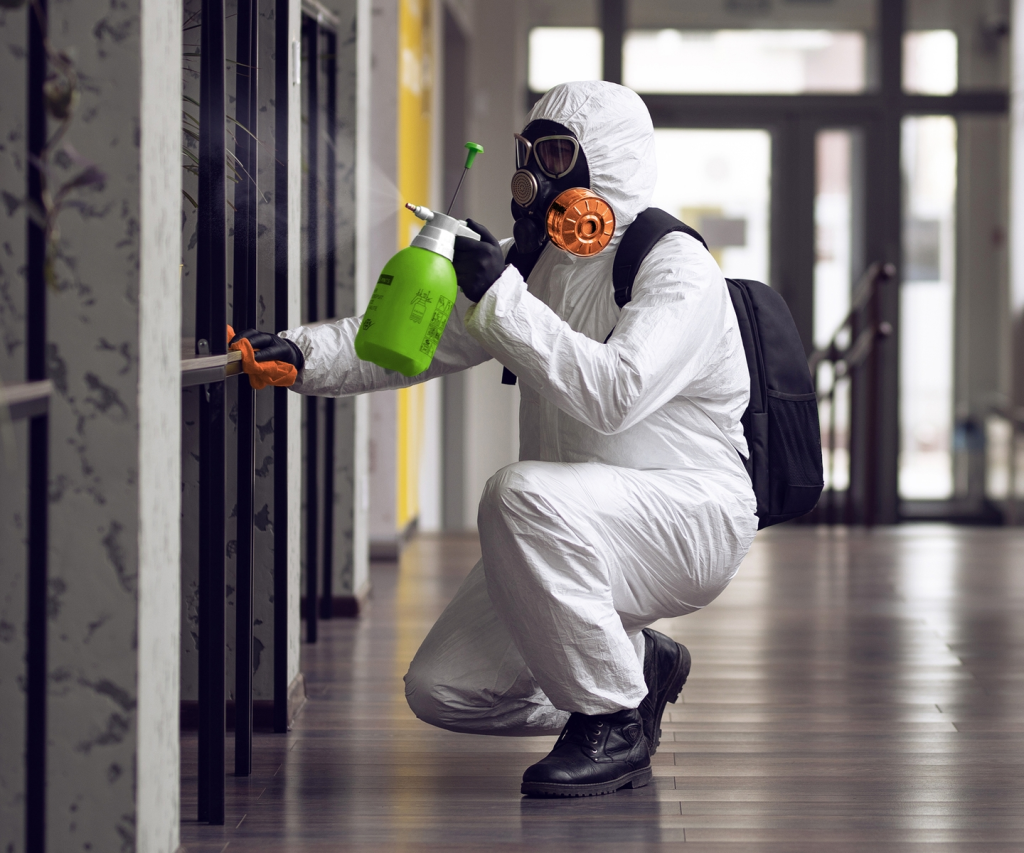
All mold-infested materials, such as drywall, carpeting, or insulation, should be carefully removed and disposed of following appropriate guidelines. It is essential to use personal protective equipment (PPE) during this process to minimize exposure to mold spores.
Step 4: Cleaning and Disinfection
Once the affected materials are removed, the remaining surfaces should be thoroughly cleaned and disinfected using specialized products designed for mold remediation. This step helps eliminate any residual mold spores and prevents future growth.
Step 5: Moisture Control and Prevention
To prevent mold from returning, it is crucial to address the underlying moisture issue. This may involve fixing leaks, improving ventilation, and reducing humidity levels in the affected area. Proper moisture control is essential to inhibit mold growth and maintain a healthy indoor environment.
Step 6: Restoration and Repair
After completing the mold remediation process, any damaged structures or materials should be repaired or replaced. This may include repairing drywall, replacing flooring, or repainting surfaces. It is important to ensure that all restoration work is carried out in a manner that prevents future mold growth.
Chapter 4: DIY vs. Professional Mold Remediation
DIY Mold Remediation
Minor mold problems that cover a small area (less than 10 square feet) can often be effectively addressed through DIY methods. These may include using household cleaning solutions, scrubbing mold off surfaces, and implementing moisture control measures. However, it’s crucial to exercise caution and ensure proper safety measures are followed.
Professional Mold Remediation
For larger mold infestations or situations where mold growth is extensive, it is recommended to seek professional mold remediation services. Certified mold remediation specialists have the expertise, experience, and equipment to handle complex mold situations safely and effectively. They can conduct thorough inspections, implement proper containment measures, and ensure complete removal and remediation of mold.
Conclusion
Mold remediation is a crucial process for safeguarding both your property and your health. By understanding the fundamentals of mold, recognizing the dangers it poses, and following the appropriate remediation steps, you can effectively eliminate mold from your home. Whether you opt for a DIY approach or seek professional assistance, timely action and thoroughness are key. Remember, a mold-free environment promotes a healthier and safer living space.
Leave a Reply