Leaking valves are not only an annoyance but can also lead to water wastage, increased utility bills, and potential damage to your property. Whether it’s a dripping faucet, a Leaking valve repair, or a faulty shut-off valve, understanding how to repair and prevent leaks is essential for safeguarding your living space. In this comprehensive guide, we’ll walk you through the process of repairing and preventing leaking valves to ensure a more efficient and worry-free plumbing system.
Understanding Common Types of Leaking Valves:
- Dripping Faucets: Dripping faucets are among the most common plumbing issues. The constant drip not only wastes water but can also cause wear and tear on the faucet’s components over time.
- Leaking Water Heater Valves: Water heaters have various valves, including the temperature and pressure relief valve (T&P valve). A leaking T&P valve can indicate excessive pressure in the tank or other problems.
- Faulty Shut-Off Valves: Shut-off valves control the flow of water to fixtures, appliances, or entire sections of your plumbing system. A leaking shut-off valve can make it difficult to isolate water supply to specific areas.
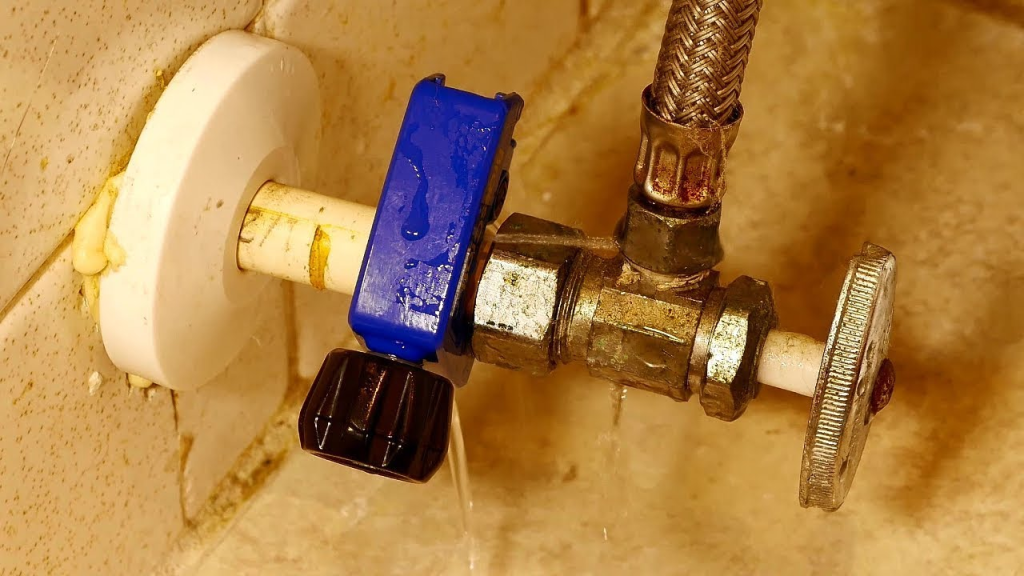
Repairing Leaking Valves:
- Dripping Faucets:
- Turn off the water supply to the faucet.
- Remove the faucet handle and access the valve.
- Replace worn-out washers, O-rings, or other components causing the leak.
- Reassemble the faucet and turn the water supply back on to check for leaks.
- Leaking Water Heater Valves:
- Turn off the power supply to the water heater (if electric) or set it to “pilot” mode (if gas).
- Close the water supply valve to the water heater.
- Attach a hose to the T&P valve’s drainage outlet.
- Open the valve to release any pressure and drain a small amount of water. If the leak persists, the valve may need replacement.
- Faulty Shut-Off Valves:
- Turn off the main water supply to your home.
- If the leak is at the valve stem, try tightening the packing nut slightly.
- If tightening doesn’t stop the leak, the valve may need replacement. Consider calling a professional plumber to ensure proper installation.
Preventing Leaking Valves:
- Routine Maintenance:
- Regularly inspect faucets, valves, and water heater components for signs of wear or leaks.
- Address any leaks promptly to prevent further damage.
- Temperature and Pressure Relief Valve Maintenance:
- Test the T&P valve on your water heater annually by lifting the lever and allowing it to snap back.
- If water continues to flow after releasing the lever or the valve is leaking, it may need replacement.
- Regular Operation:
- Operate shut-off valves occasionally to prevent them from seizing due to lack of use.
- Avoid using excessive force when turning shut-off valves, as this can damage the valve and cause leaks.
- Moderate Pressure:
- Keep water pressure within a safe range (typically around 40-60 psi) to prevent excessive strain on valves and pipes.
- Professional Inspections:
- Periodically have a professional plumber inspect your plumbing system for hidden leaks and potential valve issues.
When to Call a Professional:
While minor leaking valve repairs can often be tackled as DIY projects, there are situations where calling a professional plumber is recommended:
- If you’re unsure about the repair process.
- If the leak persists after attempting repairs.
- If the valve is located in a hard-to-reach area.
- If you’re dealing with complex water heater valve issues.
Conclusion:
Safeguarding your living space from leaking valves involves a combination of timely repairs, routine maintenance, and proactive prevention. By understanding the common types of leaking valves, knowing how to repair them, and implementing preventive measures, you can prevent water wastage, save on utility bills, and ensure the longevity of your plumbing system. Regular inspections and seeking professional help when needed will contribute to a more efficient and worry-free plumbing experience.
Leave a Reply