The global supply chain relies on efficient and reliable transportation methods to ensure the smooth movement of goods across vast distances. Pallets, with their standardized dimensions and versatility, play a crucial role in streamlining shipping operations and optimizing the global supply chain. There are plenty of pallets for sale melbourne, offering a wide selection for businesses and individuals in need of reliable shipping and storage solutions. In this article, we will explore how pallets enhance shipping processes, facilitate logistics operations, and contribute to the overall efficiency of the global supply chain.
Standardized Dimensions for Efficiency
Consistency and Compatibility
- Standard Pallet Sizes: Pallets follow standardized dimensions, such as 48×40 inches and 120×80 centimeters, ensuring compatibility with various transportation modes, including trucks, containers, and air freight. This standardization streamlines loading and unloading processes, as well as storage in warehouses and distribution centers.
- Intermodal Transportation: Pallets’ consistent size allows for seamless transitions between different transportation modes. They can be easily transferred from trucks to ships, trains, or planes without the need for extensive repackaging or handling, reducing the risk of damage and expediting the shipping process.
Efficient Handling and Storage
Loading and Unloading
- Mechanized Handling: Pallets are designed to be compatible with forklifts, pallet jacks, and other mechanized handling equipment. This enables efficient loading and unloading operations, reducing manual labor and increasing throughput.
- Stability and Safety: Palletized goods are more stable and secure during handling, minimizing the risk of damage or accidents. The standardized shape and design of pallets allow for secure stacking and strapping, ensuring the safe transport of goods.
Warehousing and Storage
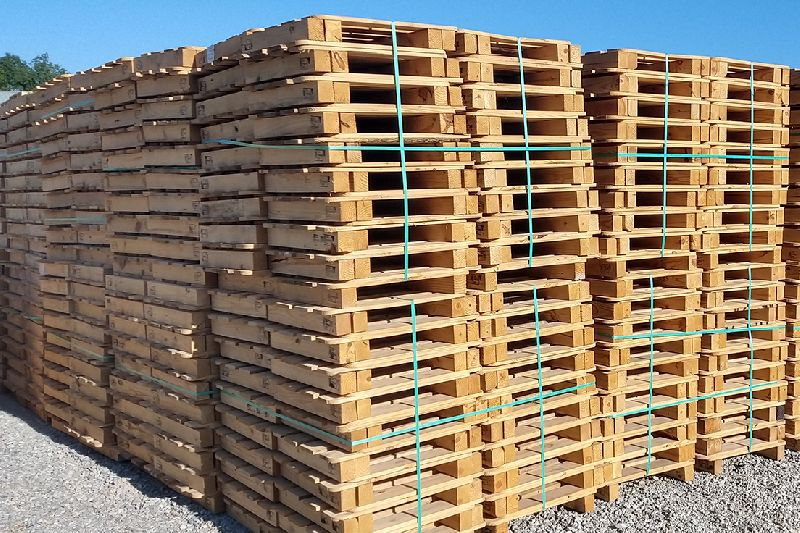
- Optimized Space Utilization: Palletized goods can be stacked vertically, maximizing warehouse space utilization. This efficient use of vertical space allows for higher storage capacity and easier access to products, reducing handling time and improving inventory management.
- Inventory Control: Pallets facilitate effective inventory control and tracking within warehouses. Products can be labeled, barcoded, or equipped with RFID tags, enabling accurate stock counting, efficient picking, and faster order fulfillment.
Supply Chain Visibility and Traceability
Tracking and Monitoring
- Pallet Tracking Systems: Advanced technologies, such as RFID (Radio-Frequency Identification) and GPS (Global Positioning System), can be integrated into pallets to provide real-time tracking and monitoring capabilities. This allows shippers and logistics providers to have visibility into the location and status of palletized shipments throughout the supply chain.
- Improved Transparency: Pallet tracking systems provide valuable data on shipment movement, transit times, and potential delays. This information enables better supply chain planning, more accurate delivery estimations, and proactive management of any disruptions or bottlenecks.
Supply Chain Integration
- Information Sharing: Pallet tracking systems can be integrated with logistics software and management platforms, allowing for seamless information sharing across supply chain stakeholders. This integration enhances collaboration, improves communication, and facilitates the timely exchange of data between suppliers, carriers, and customers.
- Efficient Problem Solving: With real-time data on palletized shipments, supply chain participants can quickly identify and address any issues, such as delays, damages, or inventory discrepancies. This proactive problem-solving approach minimizes disruptions and ensures the smooth flow of goods.
Sustainable and Cost-Effective Solutions
Reusability and Resource Efficiency
- Reusable Pallets: Pallets are designed for multiple uses, reducing the need for constant production and disposal. By implementing pallet pooling or rental programs, businesses can further optimize pallet utilization, minimize waste generation, and promote sustainability within the supply chain.
- Lightweight Materials: Pallets made from lightweight materials, such as plastic or composite materials, offer a sustainable alternative to traditional wood pallets. These lightweight pallets reduce fuel consumption during transportation, lower carbon emissions, and contribute to more eco-friendly shipping practices.
Cost Reduction and Savings
- Efficiency and Labor Cost: Palletized shipments streamline loading, unloading, and storage processes, resulting in increased operational efficiency and reduced labor costs. The standardized handling and storage of pallets minimize manual labor requirements and enable faster turnaround times.
- Optimized Transport: Pallets’ uniform size and shape maximize container utilization, reducing wasted space and allowing for more efficient shipping. This optimization lowers transportation costs, as more goods can be transported in a single shipment.
Conclusion
Pallets play a critical role in streamlining shipping processes and optimizing the global supply chain. With their standardized dimensions, efficient handling, optimized storage, and supply chain visibility, pallets enhance the efficiency and reliability of logistics operations. They contribute to cost reduction, sustainability, and improved customer satisfaction. From loading and unloading to warehousing and transportation, pallets provide a foundation for efficient and streamlined shipping operations, ensuring the smooth flow of goods across the globe.
So, the next time you receive a shipment or walk through a bustling warehouse, remember the essential role that pallets play in connecting the world through efficient and effective shipping practices.
Leave a Reply