Introduction
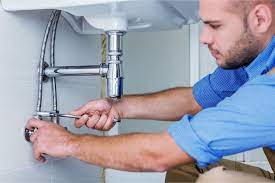
Residential plumbing is an essential component of any home, providing access to clean water for various daily activities and ensuring the proper disposal of wastewater. Understanding the basics of residential plumbing is not only helpful for handling minor issues but also crucial for maintaining a functional and efficient plumbing system. When faced with a residential plumbing repair, it is important to hire a qualified plumber to efficiently address the issue and restore the functionality of your plumbing system. In this comprehensive guide, we will explore the fundamental concepts and components of residential plumbing, empowering you to navigate your home’s plumbing with confidence. Let’s dive in!
1. Water Supply and Distribution
a. Main Water Line
The main water line is the starting point of your residential plumbing system. It connects your home to the municipal water supply or a private well. Understanding the location of the main water shut-off valve is essential in case of emergencies or repairs.
b. Water Meter
The water meter measures the amount of water consumed in your home. It helps monitor water usage and detect potential leaks or excessive consumption.
c. Water Pressure
Maintaining appropriate water pressure is vital for the proper functioning of your plumbing fixtures and appliances. Understanding how to measure and regulate water pressure ensures optimal performance and prevents damage to the plumbing system.
2. Plumbing Fixtures and Appliances
a. Faucets and Sinks
Faucets and sinks are among the most commonly used plumbing fixtures in residential settings. Understanding how to install, maintain, and repair faucets and sinks helps keep them in good working condition and prevents leaks.
b. Toilets
Toilets are essential fixtures that require proper installation and maintenance. Knowing how to address common issues like clogs, running toilets, and leaks can save water and prevent costly repairs.
c. Showers and Bathtubs
Properly functioning showers and bathtubs provide comfort and relaxation. Understanding their components, such as valves, drains, and showerheads, allows for efficient use and timely maintenance.
d. Appliances
Residential plumbing also includes various appliances such as washing machines, dishwashers, and water heaters. Familiarize yourself with their connections, maintenance requirements, and troubleshooting techniques.
3. Drainage and Venting
a. Drain Lines
Drain lines carry wastewater away from your fixtures and appliances. Understanding the proper slope, venting requirements, and common issues like clogs or slow drains is crucial for an efficient drainage system.
b. Venting System
Vent pipes allow air to enter the plumbing system, preventing the buildup of pressure and allowing wastewater to flow smoothly. Understanding the function and maintenance of vent pipes helps prevent foul odors and drainage issues.
4. Common Plumbing Issues and Repairs
a. Leaks
Addressing leaks promptly is essential to prevent water damage and save on utility bills. Familiarize yourself with common types of leaks, such as dripping faucets or pipe leaks, and know how to perform basic repairs or when to seek professional help.
b. Clogs
Clogged drains and toilets can be a common nuisance. Knowing how to use plungers, drain snakes, or environmentally friendly drain cleaners can help clear minor clogs. However, persistent or severe clogs may require the assistance of a professional plumber.
c. Frozen Pipes
In colder climates, frozen pipes can be a concern. Understanding preventive measures like insulating pipes and knowing how to thaw frozen pipes safely can help prevent burst pipes and water damage.
Conclusion
Having a solid understanding of the basics of residential plumbing empowers homeowners to handle minor issues, maintain a well-functioning plumbing system, and make informed decisions when seeking professional assistance. By familiarizing yourself with water supply and distribution, plumbing fixtures and appliances, drainage and venting, as well as common plumbing issues and repairs, you can ensure the comfort, efficiency, and longevity of your home’s plumbing system. Remember, if you encounter complex plumbing problems, it is always advisable to consult a licensed plumber for expert guidance and assistance.
Leave a Reply