For many people, visiting the dentist can be a source of anxiety and fear. Dental phobia or anxiety can prevent individuals from seeking necessary dental care, which can negatively impact their oral health. Fortunately, sedation dentistry has emerged as a valuable solution in dentist services, providing a comfortable and stress-free experience for patients with dental anxiety or those undergoing complex dental procedures. When it comes to professional dental care in Ferntree Gully, you can rely on the experienced team at Dentist Ferntree Gully to deliver exceptional services and ensure your oral health is in good hands. In this article, we will explore sedation dentistry, its benefits, and how it can contribute to a positive dental experience.
What is Sedation Dentistry?
Sedation dentistry involves the use of sedatives to help patients relax and remain calm during dental procedures. It is a safe and effective technique that allows individuals with dental anxiety or fear to receive the necessary dental care in a comfortable and stress-free manner. Sedation dentistry can be used for various procedures, from routine cleanings and fillings to more extensive treatments like root canals or oral surgery.
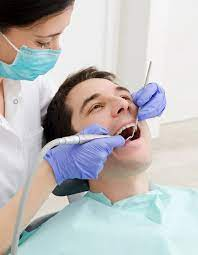
Types of Sedation in Dentistry
There are different levels of sedation used in dentistry, depending on the patient’s level of anxiety and the complexity of the dental procedure. The common types of sedation in dentistry include:
- Minimal Sedation: This level of sedation involves using oral medications or nitrous oxide (laughing gas). It induces a relaxed state while allowing patients to remain awake and responsive throughout the procedure.
- Moderate Sedation: Also known as conscious sedation, this level of sedation achieves a deeper state of relaxation. It may involve the use of oral medications or intravenous (IV) sedation. Patients are conscious but may have limited recollection of the procedure.
- Deep Sedation: Deep sedation is administered through IV medications, resulting in a state between consciousness and unconsciousness. Patients are still able to respond to commands but are likely to have little or no memory of the procedure.
- General Anesthesia: General anesthesia is the highest level of sedation, typically used for complex or invasive procedures. It renders patients completely unconscious and requires careful monitoring of vital signs throughout the procedure.
The type of sedation recommended will depend on the individual’s specific needs, medical history, and the complexity of the dental procedure.
Benefits of Sedation Dentistry
1. Anxiety and Fear Reduction
Sedation dentistry effectively alleviates anxiety and fear associated with dental visits. By inducing a state of relaxation, patients can undergo dental procedures without experiencing the usual distress. This allows individuals with dental phobia or anxiety to receive the necessary dental care, which is essential for maintaining good oral health.
2. Increased Comfort and Pain Management
Sedation dentistry enhances patient comfort during dental procedures. It can reduce discomfort, sensitivity, and gag reflex, making it easier for the dentist to perform the necessary treatments. Additionally, sedation can be combined with local anesthesia to provide optimal pain management, ensuring a pain-free experience for patients.
3. Time Efficiency
Sedation dentistry can improve time efficiency for both patients and dentists. With patients in a relaxed state, dentists can work more efficiently and complete complex procedures in a shorter amount of time. This can be particularly beneficial for patients who require multiple treatments or have difficulty sitting for extended periods.
4. Facilitation of Complex Procedures
For patients requiring extensive dental work or invasive procedures, sedation dentistry allows for a more comfortable and streamlined experience. It enables dentists to perform complex treatments without causing undue stress or discomfort to the patient. Sedation can also help patients with strong gag reflexes or those who have difficulty keeping their mouths open for an extended period.
5. Reduction of Dental Phobia Cycle
Sedation dentistry can help break the cycle of dental phobia and avoidance. By providing a positive and comfortable dental experience, patients may develop a more positive attitude towards dental care. This can lead to regular dental visits, improved oral health, and a better overall well-being.
Safety and Monitoring
Sedation dentistry is a safe and well-regulated practice when administered by trained dental professionals. Dentists and their team members are experienced in monitoring vital signs and ensuring patient safety throughout the procedure. Prior to sedation, the dentist will review the patient’s medical history, discuss any potential risks or side effects, and provide detailed instructions for pre- and post-operative care.
Conclusion
Sedation dentistry has transformed the dental experience for individuals with dental anxiety or fear. By providing a relaxed and stress-free environment, sedation dentistry enables patients to receive the necessary dental care while minimizing discomfort and anxiety. The benefits of sedation dentistry include anxiety reduction, increased comfort, time efficiency, facilitation of complex procedures, and the potential to break the cycle of dental phobia. If you experience dental anxiety or require extensive dental work, consider discussing sedation dentistry options with your dentist. They can assess your specific needs and recommend the appropriate sedation technique to ensure a positive dental experience.
Leave a Reply