When one thinks of vacuum trucks, the image of powerful machines suctioning waste and debris often comes to mind. However, these versatile vehicles have evolved far beyond their vacuuming capabilities, finding applications in an array of unexpected areas. From small-scale residential septic tanks to larger commercial systems, our septic trucks for sale offer various tank capacities to suit different applications. In this comprehensive article, we will delve into the lesser-known applications of modern vac trucks and how they have expanded their role in various industries.
From Vacuuming to Versatility
While vacuuming remains a core function, modern vac trucks have undergone innovations that have expanded their utility into areas one might not anticipate. These machines have proven their adaptability and efficiency in tasks that go beyond waste removal.
1. Hydro Excavation
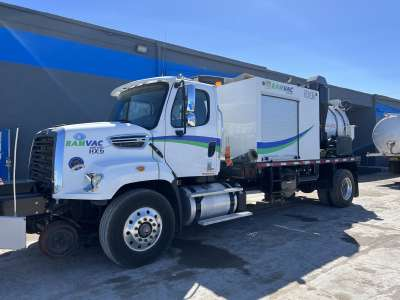
Hydro excavation is a non-destructive digging technique that utilizes high-pressure water jets to break up soil, and the resulting slurry is simultaneously vacuumed into the truck’s storage tank. This method is extensively used in sensitive digging scenarios such as exposing underground utilities, as it minimizes the risk of damaging buried lines.
2. Cleaning and Maintenance of Industrial Equipment
Vac trucks equipped with specialized tools can efficiently clean and maintain industrial equipment. Whether it’s cleaning tanks, silos, or machinery, these machines excel at removing debris, residue, and contaminants from hard-to-reach areas.
3. Oil and Gas Industry Services
Vac trucks play a crucial role in the oil and gas sector beyond spill cleanup. They are employed in cleaning storage tanks, transporting drilling muds, and managing waste generated during extraction and refining processes.
4. Emergency Response
In emergency situations such as chemical spills, vac trucks are utilized to quickly contain and remove hazardous materials. Their powerful suction capabilities and advanced filtration systems ensure rapid response and effective containment.
5. Septic System Maintenance
Vac trucks are commonly used for septic system maintenance, pumping out septic tanks and grease traps. Proper maintenance helps prevent backups, overflows, and contamination of water sources.
6. Concrete Slurry Management
During construction projects involving concrete cutting or drilling, large amounts of slurry are generated. Vac trucks can efficiently collect and transport this slurry for proper disposal, ensuring compliance with environmental regulations.
7. Sewer Line Inspection
Some modern vac trucks are equipped with sewer line inspection cameras. This allows operators to visually assess the condition of sewer lines and identify issues such as blockages or damage without the need for excavation.
The Unseen Impact
These lesser-known applications of modern vac trucks carry significant impact across industries:
Enhanced Efficiency and Safety
Modern vac trucks streamline tasks that were once laborious and time-consuming. Whether it’s hydro excavation or cleaning industrial equipment, these machines reduce the need for manual labor and minimize risks associated with traditional methods.
Environmental Protection
The applications of vac trucks extend to environmental protection. From quickly containing hazardous spills to proper waste disposal, these machines contribute to safeguarding ecosystems and preventing pollution.
Industry Compliance
Industries subject to strict regulations, such as the oil and gas sector, benefit from vac trucks’ ability to ensure compliance with environmental and safety standards. This, in turn, helps avoid legal penalties and reputational damage.
Conclusion
The evolution of modern vac trucks has led to an expansion of their role beyond vacuuming waste. From hydro excavation and industrial cleaning to emergency response and sewer line inspection, these versatile machines are transforming diverse industries. Their adaptability, efficiency, and impact on efficiency, safety, and environmental responsibility make them indispensable assets in today’s complex industrial landscape.
Leave a Reply